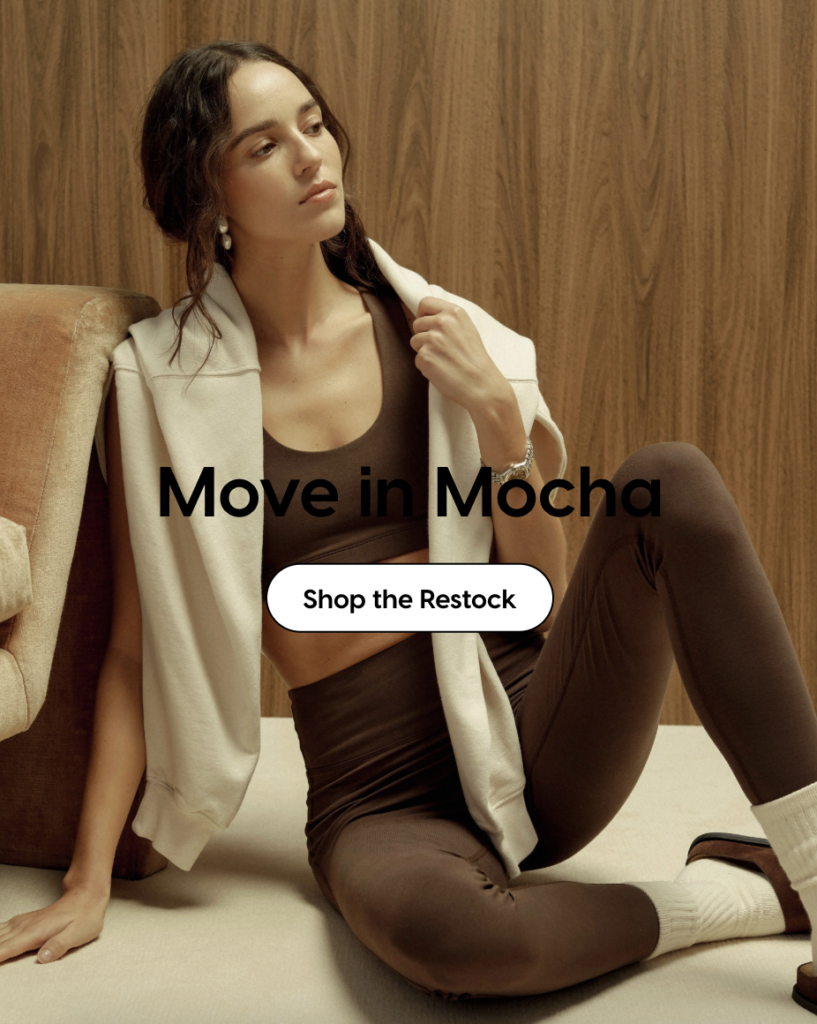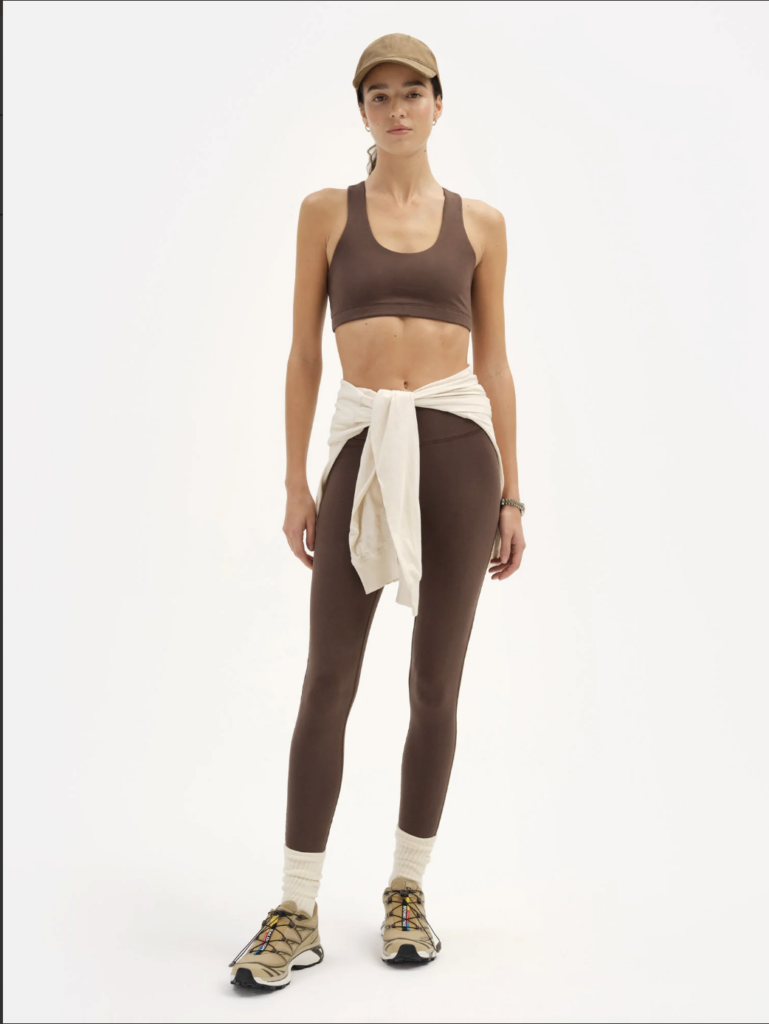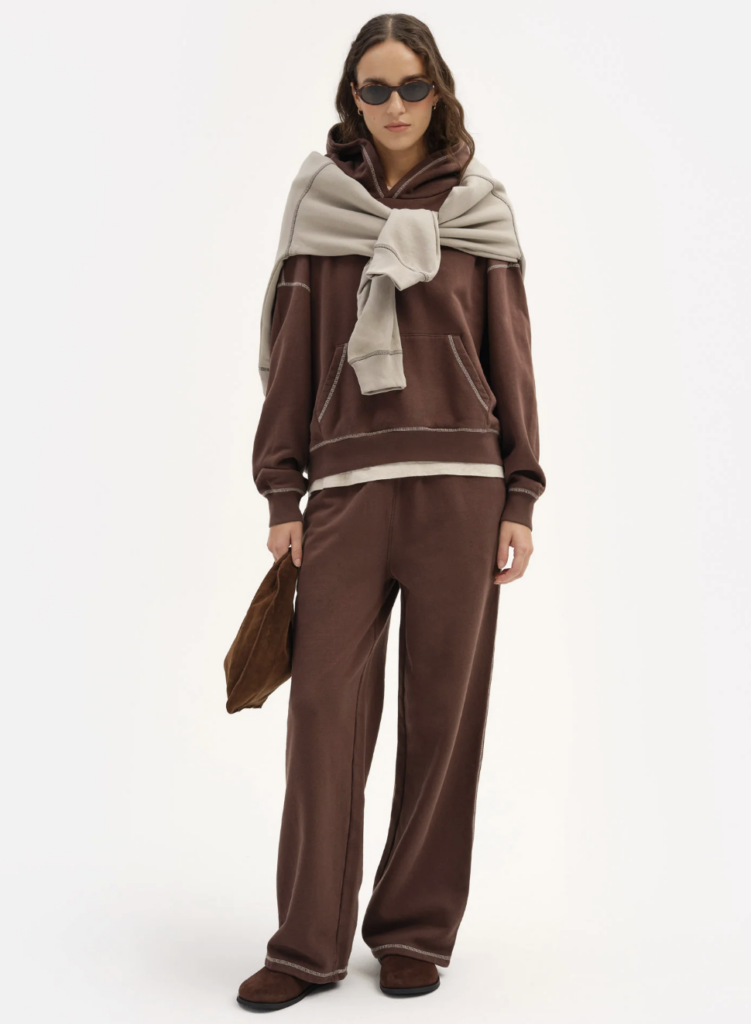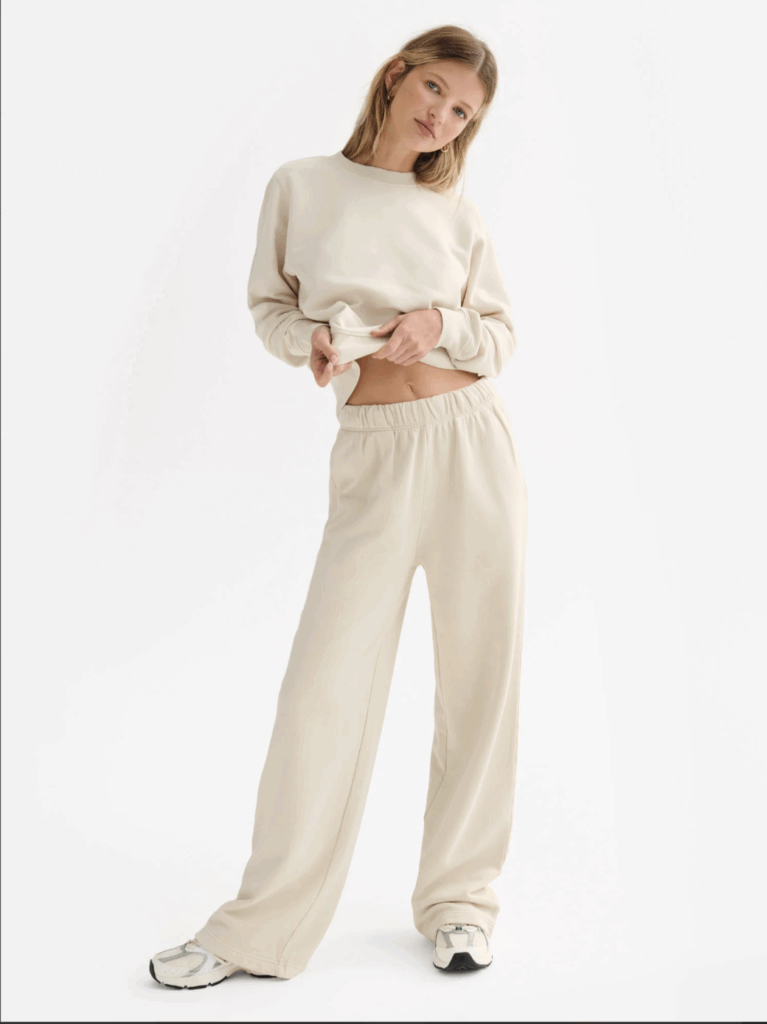
The activewear industry is experiencing a quiet revolution. More women are questioning what’s actually in their yoga pants, sports bras, and workout tops—and for good reason. Synthetic fabrics treated with PFAS, formaldehyde finishes, and mystery chemical coatings have turned many shoppers into label detectives.
When choosing non-toxic activewear, one question keeps coming up: bamboo vs cotton—which is better? Both fabrics promise breathability and natural origins, but the truth is more nuanced than most brands let on. In this guide, we’ll break down the real differences between bamboo fabric and cotton fabric in activewear, explore the differences between bamboo and cotton, what “non-toxic” actually means for each fabric, and help you make the smartest choice between bamboo and cotton for your body and the planet.
Types of Bamboo Fibre
Here’s what most bamboo activewear brands won’t tell you upfront: that silky-soft bamboo fabric in your leggings isn’t technically “bamboo” anymore. Understanding the process of turning bamboo into fabric, the different types of bamboo, and the properties of bamboo is crucial when evaluating whether your activewear is truly non-toxic and sustainable.
Bamboo Viscose and Bamboo Rayon: The Most Common Types
Bamboo viscose (also called bamboo rayon) is by far the most common type of bamboo used in activewear. This semi-synthetic bamboo fibre is created by dissolving bamboo pulp in harsh chemical solvents like sodium hydroxide and carbon disulfide. The process of making bamboo viscose transforms woody bamboo stalks from the bamboo plant into the buttery-smooth textile we love, but it comes with environmental and health trade-offs. The bamboo grows quickly, but manufacturing bamboo fabric through chemical processes raises important questions.
In facilities with poor chemical management, workers can be exposed to toxic fumes, and residual chemicals may remain in the finished bamboo fabric. However, when produced in closed-loop systems (where chemicals are captured and reused), bamboo viscose can be relatively eco-friendly. The making of bamboo viscose is where the sustainability debate really heats up in the bamboo vs cotton conversation.
Bamboo Lyocell: The Eco-Conscious Alternative
Bamboo lyocell (sometimes sold under the brand name Tencel) uses a more eco-conscious production method. It dissolves bamboo cellulose in a non-toxic organic solvent called NMMO, which is recovered and reused at rates above 99%. This makes bamboo lyocell one of the cleanest options for bamboo-based activewear, though it’s less common and typically more expensive. When comparing types of bamboo, lyocell stands out as the most sustainable option.
Bamboo Linen: Chemical-Free but Less Stretchy
Bamboo linen is mechanically processed, meaning the bamboo plant is crushed and natural enzymes are used to separate fibres—no harsh chemicals required. The result is genuinely non-toxic bamboo fibre, but the fabric tends to be stiffer and less stretchy, making it less ideal for high-performance activewear.
Pros of bamboo fibre:
- Exceptionally soft and silky against sensitive skin
- Naturally moisture-wicking and breathable
- Thermoregulating properties keep you cool during workouts
- Bamboo grows quickly without pesticides
Cons of bamboo fibre:
- Chemical processing raises toxicity concerns unless certified
- “Greenwashing” is common—many brands oversell the eco-friendliness
- Less durable than cotton over time
- May pill or lose shape after repeated washing
Cotton Fabric – All You Need to Know
Cotton might seem like the obvious “natural” choice, but not all cotton fabric is created equal—especially when we’re talking about non-toxic activewear. Understanding the difference between conventional and organic cotton is essential in the cotton vs bamboo debate, particularly when you’re choosing between bamboo and cotton for sustainable activewear.
Conventional Cotton: The Hidden Dangers
Conventional cotton is one of the most pesticide-intensive crops on the planet. Cotton farming accounts for roughly 16% of global insecticide use, and the pesticides used in growing and processing can include neurotoxins, hormone disruptors, and carcinogens. Regular cotton also requires enormous amounts of water and often involves questionable labour practices. For activewear that sits directly against your skin for hours, this isn’t ideal.
The cotton plant itself may be natural, but by the time conventional cotton becomes fabric, it’s been treated with so many chemicals that calling it “natural” is misleading. This is why the choice between cotton and bamboo isn’t as straightforward as it seems—both require scrutiny. Traditional cotton is not made through sustainable, non-toxic practices, unlike organic cotton alternatives.
Organic Cotton: The Cleaner Alternative
Organic cotton is a different story entirely. Cotton grown without synthetic pesticides, herbicides, or genetically modified seeds is gentler on farmworkers, ecosystems, and your body. It’s naturally breathable, hypoallergenic, and biodegradable. The fabric won’t wick moisture quite as effectively as technical bamboo viscose, but it’s dependable, durable, and safe for sensitive skin.
When shopping for organic cotton activewear, look for GOTS (Global Organic Textile Standard) certification. This ensures the cotton was grown organically and processed without toxic dyes, formaldehyde finishes, or other harmful additives. GOTS is the gold standard for truly non-toxic cotton fabric.
Types of Cotton Fabric in Activewear
Cotton fabric comes in several weaves and knits suited to different activewear needs:
- Jersey knit cotton: Soft, stretchy, and ideal for t-shirts and casual workout tops
- French terry: Looped on one side for absorbency, smooth on the other—great for sweatshirts
- Cotton spandex blends: Adds stretch and recovery for more fitted activewear pieces
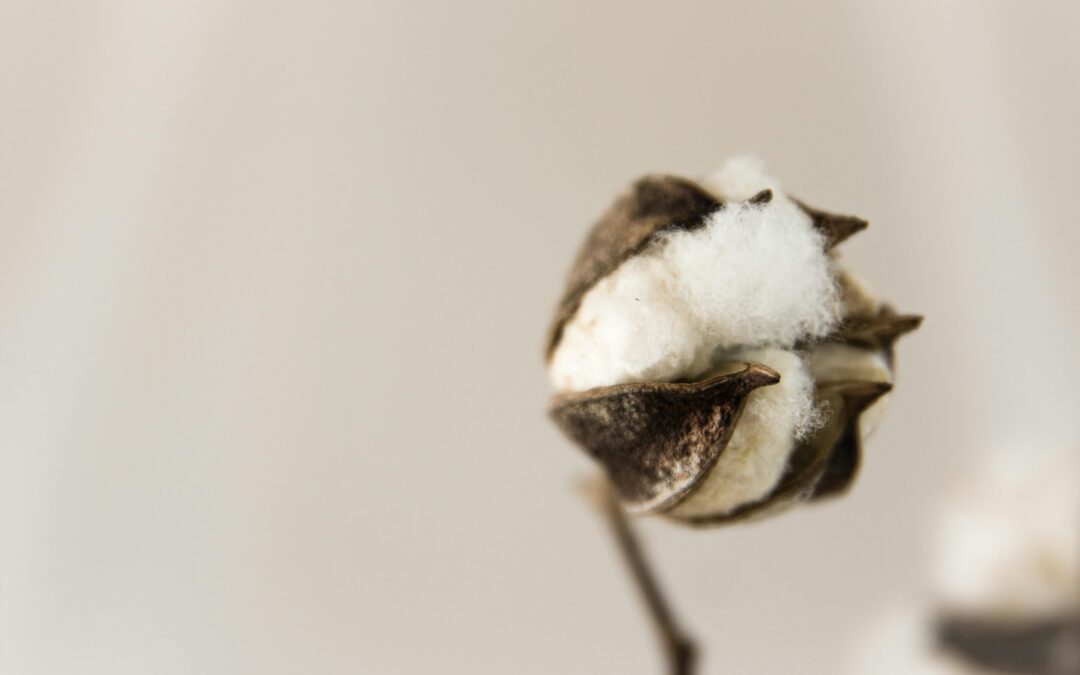
Unlike bamboo, which is turned into fabric through chemical processes, cotton fibres are spun directly from the cotton plant’s seed pods, making it a more straightforward “natural” fabric—provided it’s grown organically. Cotton is also naturally biodegradable in its pure form.
Benefits of Organic Cotton
Organic cotton deserves special attention when comparing bamboo and cotton, because it addresses many of the concerns associated with conventional cotton production whilst offering unique advantages for non-toxic activewear.
Chemical-Free Cultivation for Safer Wear
Chemical-free cultivation means organic cotton is grown without synthetic pesticides, herbicides, or fertilisers. This protects farmworkers from toxic exposure and ensures no harmful residues end up in your clothing. Cotton is known to be gentler for those with sensitive skin or chemical sensitivities. When you’re comparing bamboo and cotton, this is where organic cotton truly shines—it’s the safer choice between bamboo and cotton for those prioritising non-toxic fabrics.
Hypoallergenic Properties for Sensitive Skin
Hypoallergenic properties make organic cotton ideal for people prone to skin irritation, eczema, or allergies. The absence of harsh chemicals and treatments means less risk of contact dermatitis or allergic reactions during your workout. Cotton also breathes naturally, allowing your sensitive skin to regulate temperature without synthetic interference. Cotton is also a great choice for anyone with chemical sensitivities.
Durability and Longevity
Durability and longevity are standout benefits when you’re deciding between bamboo and cotton. Organic cotton fibres are often stronger because they’re not weakened by chemical processing. With proper care, organic cotton activewear can outlast bamboo viscose pieces, making it a better long-term investment. The durability of bamboo simply can’t match well-made organic cotton in most cases.
Biodegradability: End-of-Life Matters
Cotton is biodegradable, which means when your organic cotton sports bra finally wears out, it won’t sit in a landfill for centuries. Unlike synthetic fabrics or chemically processed bamboo, GOTS-certified organic cotton breaks down naturally. Cotton is biodegradable in its pure form, completing the sustainable lifecycle and reducing environmental impact.
Transparency and Traceability
Transparency and traceability are easier with organic cotton. Certifications like GOTS require rigorous documentation throughout the supply chain, so you can actually verify the “non-toxic” claims brands make. Manufacturing bamboo fabric production, by contrast, often happens in facilities with less oversight, making cotton the more transparent option.
Supporting Sustainable Agriculture
Support for sustainable agriculture: Choosing organic cotton supports farming practices that build soil health, conserve water, and protect biodiversity—benefits that extend far beyond your personal wardrobe. Cotton grown this way actively regenerates the land rather than depleting it, making it a truly sustainable choice.
Comfort and Wearability: Texture, Breathability, and Moisture Control
When it comes to how bamboo vs cotton actually feel during your workout, there are distinct differences that can make or break your activewear experience. Let’s break down the comfort factors that matter most when choosing between bamboo or cotton.
Texture: Silky Bamboo Compared To Natural Cotton Feel
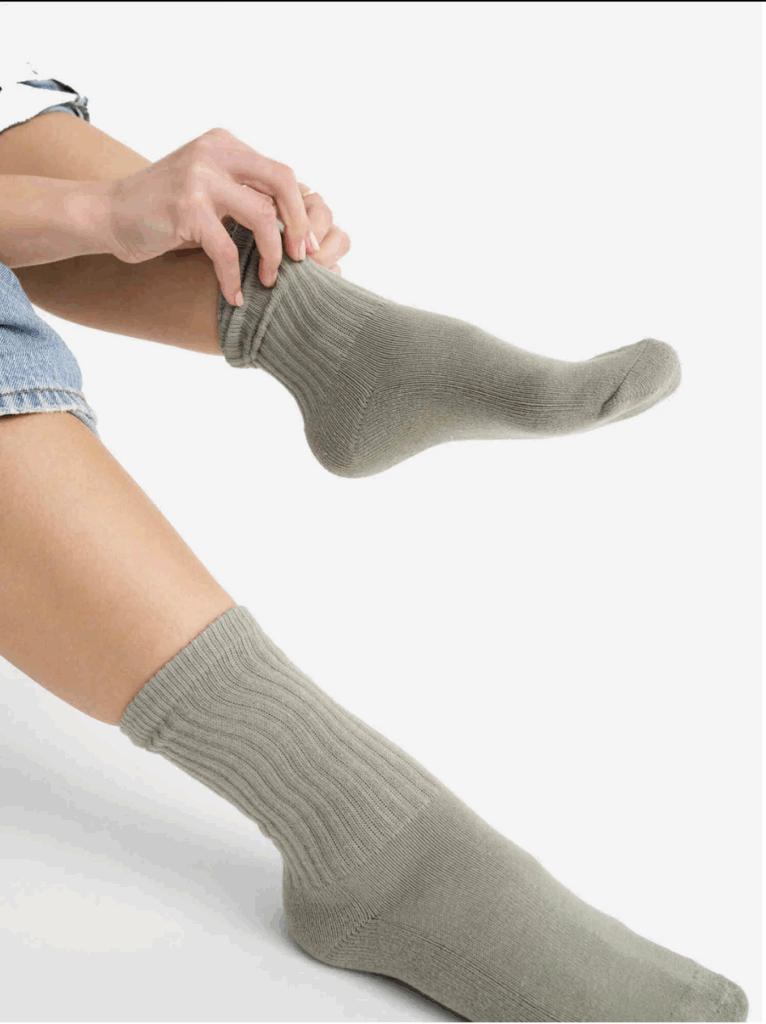
Texture: Bamboo viscose is softer than cotton. It has a silky, almost luxurious drape that feels cooling against skin—think high-end bamboo sheets rather than athletic gear. The feel of cotton is more grounded and familiar, with a more natural, slightly textured feel that’s soft but not slippery. Some people prefer cotton’s more substantial hand-feel, whilst others love bamboo’s lightweight, barely-there sensation. Bamboo offers that premium softness, whilst cotton provides a comforting, natural touch.
Breathability: How Each Fabric Handles Airflow
Breathability: Both fabrics breathe well, but in different ways. Bamboo fibre has micro-gaps and micro-holes that enhance ventilation, making it excellent for hot yoga or summer runs. The breathability of bamboo is one of its strongest selling points. Organic cotton is also breathable but can feel warmer because it’s denser. For high-heat activities, bamboo is better than cotton. For moderate workouts or cooler weather, cotton provides comfortable temperature regulation without feeling too lightweight.
Moisture Control: Wicking vs Absorption
Moisture control is where the biggest performance difference shows up in the bamboo vs cotton debate. Bamboo viscose is naturally moisture-wicking, pulling sweat away from your skin and allowing it to evaporate quickly. This keeps you feeling drier during intense workouts, particularly compared to cotton. Compared to bamboo, organic cotton is absorbent—it soaks up moisture rather than wicking it away. This means cotton can feel damp and heavy during sweaty sessions, though it’s perfectly comfortable for low-intensity activities like yoga, pilates, or walking.
Stretch and Recovery: Maintaining Shape
Stretch and recovery: Bamboo viscose has more natural drape and slight stretch, though it can lose shape over time. Cotton typically requires blending with spandex or elastane to achieve the stretch needed for activewear. Cotton spandex blends offer excellent recovery, bouncing back to their original shape better than pure bamboo fabrics.
Odour Resistance: Staying Fresh Longer
Odour resistance: Bamboo fibre has natural antimicrobial properties that help resist odour-causing bacteria. Many wearers find bamboo activewear stays fresher longer between washes. Cotton is more neutral—it doesn’t promote bacterial growth, but it doesn’t actively resist it either. This is one area where bamboo fabric also outperforms cotton in practical, everyday use.
For comfort during actual workouts, bamboo excels in moisture management and temperature regulation, whilst organic cotton wins for durability and that cosy, natural feel many women prefer for lower-intensity movement.
The Verdict: Bamboo vs Cotton for Activewear
So which fabric is better in the bamboo vs cotton debate? The answer depends on what you prioritise in your non-toxic activewear. Understanding the differences between bamboo and cotton helps you make the right choice between bamboo and cotton for your needs.
When to Choose Bamboo Fabric
Choose bamboo viscose if: you want luxurious softness, moisture-wicking performance, and a fabric that feels almost spa-like against your skin. Just make sure it’s certified—look for OEKO-TEX Standard 100 or FSC-certified bamboo to ensure safer chemical processing and sustainable sourcing. If you’re doing high-intensity workouts or live in a warm climate, bamboo’s moisture-wicking properties make it ideal. Bamboo is a sustainable option when properly certified.
When to Choose Organic Cotton
Choose organic cotton if: you’re building a low-toxicity wardrobe and want the safest option for sensitive skin. Organic cotton won’t feel as technical or high-performance, but it’s dependable, transparent, and truly non-toxic when GOTS-certified. It’s ideal for yoga, pilates, or low-intensity workouts where moisture management isn’t critical. Cotton also offers superior durability, meaning your investment lasts longer. Cotton is also the more straightforward “natural” choice.
Shop our GOTS-certified organic cotton collection to find pieces that combine purity with performance.
The Case for Blends: Bamboo and Cotton Together
Consider blends as the balanced choice. Some of the best non-toxic activewear combines organic cotton with recycled polyester or elastane for stretch, or pairs bamboo with organic fibres. These bamboo and cotton fabrics offer performance, durability, and reduced environmental impact—without sacrificing comfort or safety. A bamboo and cotton blend can give you the moisture-wicking properties of bamboo with the durability of cotton.
Making the Choice Between Bamboo and Cotton
Ultimately, the differences between bamboo and cotton come down to this: bamboo can feel more luxe and perform better in sweaty situations, but organic cotton is the cleaner, more straightforward choice for non-toxic living. Neither fabric is perfect, but both beat conventional synthetic activewear loaded with forever chemicals. The debate between bamboo and cotton doesn’t have a single winner—it has the right choice for your needs. Whether you opt for cotton or bamboo, prioritise certifications and sustainable manufacturing.
How to Shop Smart for Non-Toxic Activewear
Ready to upgrade your workout wardrobe? Here’s how to cut through the marketing fluff and find genuinely non-toxic activewear, whether you’re choosing between bamboo or cotton for your sustainable activewear collection.
Look for Third-Party Certifications
Look for third-party certifications:
- GOTS (Global Organic Textile Standard): The most rigorous standard for organic fabrics, covering everything from cotton farming to dyeing
- OEKO-TEX Standard 100: Tests for harmful substances in finished textiles, including heavy metals and formaldehyde
- Bluesign: Ensures safe chemical management throughout the supply chain
- FSC-certified bamboo: Verifies sustainable bamboo sourcing practices and responsible forestry
Avoid Vague Buzzwords and Greenwashing
Avoid vague buzzwords. Terms like “eco-friendly,” “bamboo charcoal,” or “anti-bacterial finish” often signal chemical coatings or greenwashing. Bamboo charcoal treatments, for instance, typically involve synthetic additives that undermine the fabric’s natural benefits. If a brand can’t explain how something is non-toxic or sustainable, keep scrolling.
Read the Fine Print on Fabric Composition
Read the fine print. Check fabric composition labels—”95% bamboo viscose” tells you more than “made from bamboo.” If a brand claims to be non-toxic but doesn’t list certifications or processing methods, reach out and ask. Transparent brands will happily share details about their manufacturing bamboo fabric processes or cotton farming practices.
Prioritise Quality Over Fast Fashion
Prioritise timeless styles over fast fashion. The most sustainable piece of activewear is the one you’ll wear for years. Choose classic cuts in neutral colours that won’t go out of style, and invest in quality over quantity. High-quality cotton lasts longer than cheap bamboo, and certified bamboo outlasts conventional synthetics.
Understand the Manufacturing Process
When comparing bamboo vs cotton, ask about the manufacturing process. How is the bamboo pulp processed? Is the cotton grown without pesticides? These questions help you understand what you’re really buying and whether the “non-toxic” claims hold up. Understanding how bamboo into fabric is made versus how cotton fibres are processed helps you make informed decisions.
For more guidance on identifying truly sustainable fabrics, the Textile Exchange offers excellent resources on fibre standards and certifications.
Building a non-toxic activewear wardrobe doesn’t have to be overwhelming. Whether you choose bamboo, organic cotton, or a thoughtful bamboo and cotton blend, the key is knowing what to look for—and demanding better from the brands you support. Your body (and the planet) will thank you.
Ready to find your perfect non-toxic activewear? Explore our curated collection of GOTS-certified organic cotton leggings, sports bras, and sports tanks that prove you don’t have to compromise on performance or purity. Every piece in our range meets the strictest standards for non-toxic, sustainable activewear—because you deserve clothing that supports your health and your values.
Further Reading: